

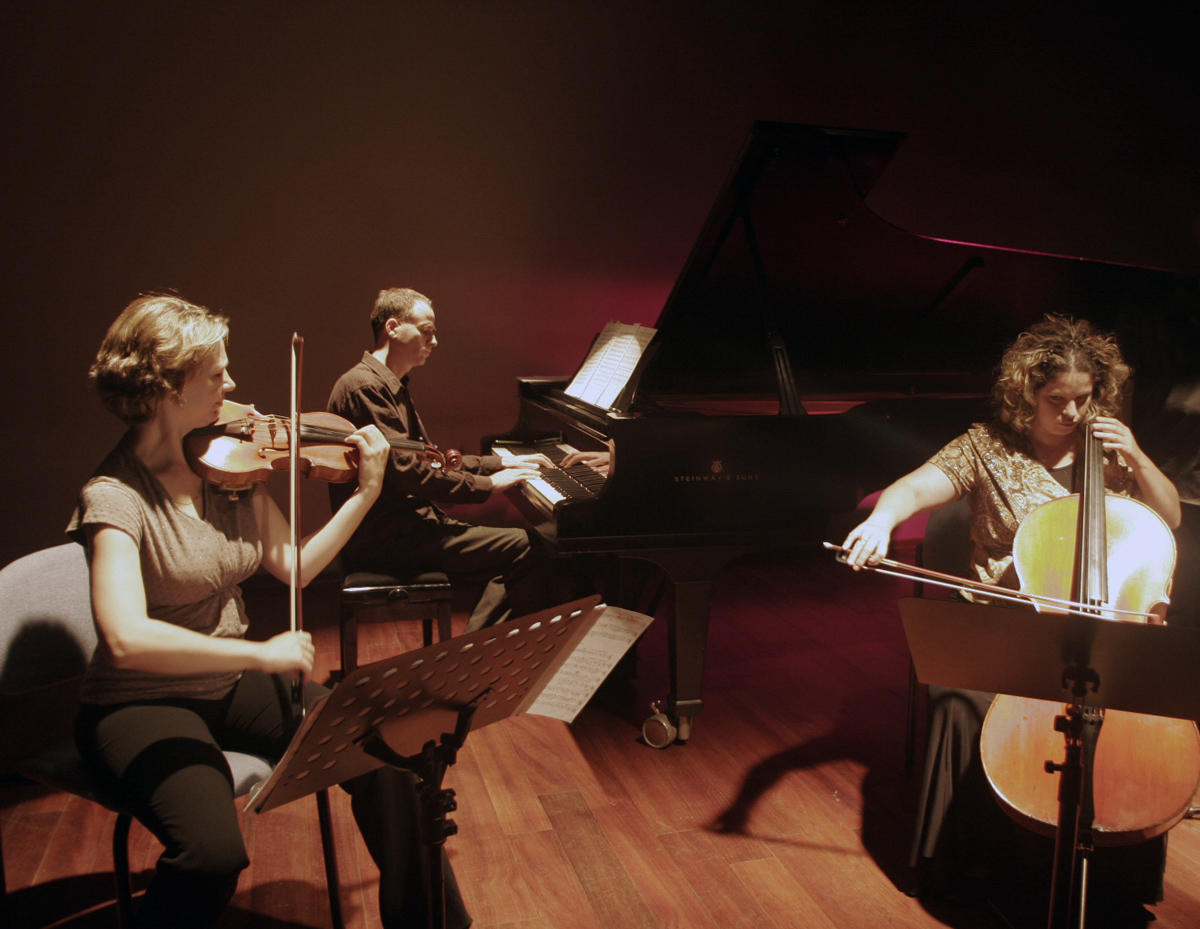
Chamber music is the oldest and most diverse genre of performance music. Encompassing a vast variety of sizes and instrumentations, chamber music has been around in one form or another since the dawn of modern man. Unlike large group ensembles such as concert bands or symphony orchestras, chamber music groups are much smaller, often with only 4 or 5 members, and most often utilizing only strings, woodwind instruments, or brass instruments. While percussion instruments can be, and are used in many small chamber music pieces, they are much less common.
The Origins of Chamber Music
Chamber music has evolved over the thousands of years of human existence, but in general the term refers to music played for smaller, more intimate gatherings of friends, family, or respected guests beginning in the baroque and classical periods of music history. These concerts would often take place in a person’s home in a small room reserved for such concerts, hence the term “chamber.” Music groups playing at these small gatherings often consisted of string or woodwind ensembles as in the case of such notable composers as Wolfgang Amadeus Mozart, but also included other small ensembles such as piano duets and trios. Depending on the mood of the gathering the instrumentation and size of the chamber ensemble would vary greatly. At a simple gathering of friends in a small home a very small group musicians might perform, while at more formal occasions such as weddings or formal dances more musicians might be brought in to play. Chamber music ensembles during the baroque and classical periods commonly ranged from duets and trios such as Beethoven’s trio, Opus 11, all the way up to octets and decets (ten performers) such as Mozart’s Divertimenti KV 166.
Some of the most common pieces of chamber music include Johann Sebastian Bach’s Brandenburg Concertos. Like many popular classical chamber music pieces they began as small ensemble compositions with only one musician per part. Over the centuries many of these chamber pieces were arranged for larger groups of musicians or for full orchestras.
Chamber Music Today
Even the classical era Chamber Music compositions are still performed on a regular basis at formal events and receptions. However, the realm of chamber music in today’s world encompasses an even larger variety of genres and venues. Coffee shops now commonly host solo and small ensemble groups. Rock musicians perform at school proms and other dances much the same as their ancestors did on the cello and violin centuries ago. Chamber music has evolved and will continue to evolve just as will our society as a whole.

- How to support your child’s mental health: A parent’s guide - February 1, 2025
- Can data centers stay green? Balancing digital growth with clean energy - January 26, 2025
- Why Blockchain could be end of high fees, delays in global payments - January 17, 2025
- Abridge AI: Silent scribe transforming healthcare interactions - January 5, 2025
- What makes quantum AI a game-changer for technology - December 25, 2024
- How businesses must adapt to evolving cyber threats in 2025 - December 4, 2024
- How vaping stiffens blood vessels and strains lungs: Study - November 26, 2024
- OpenAI Codex or Google Codey? Finding the perfect AI for your code - November 18, 2024
- What Google’s Project Jarvis means for future of digital interaction - October 28, 2024
- 11 tips for creating engaging ad content - July 8, 2024